Mitarbeiter:innen
Forschungsgruppenleiterin
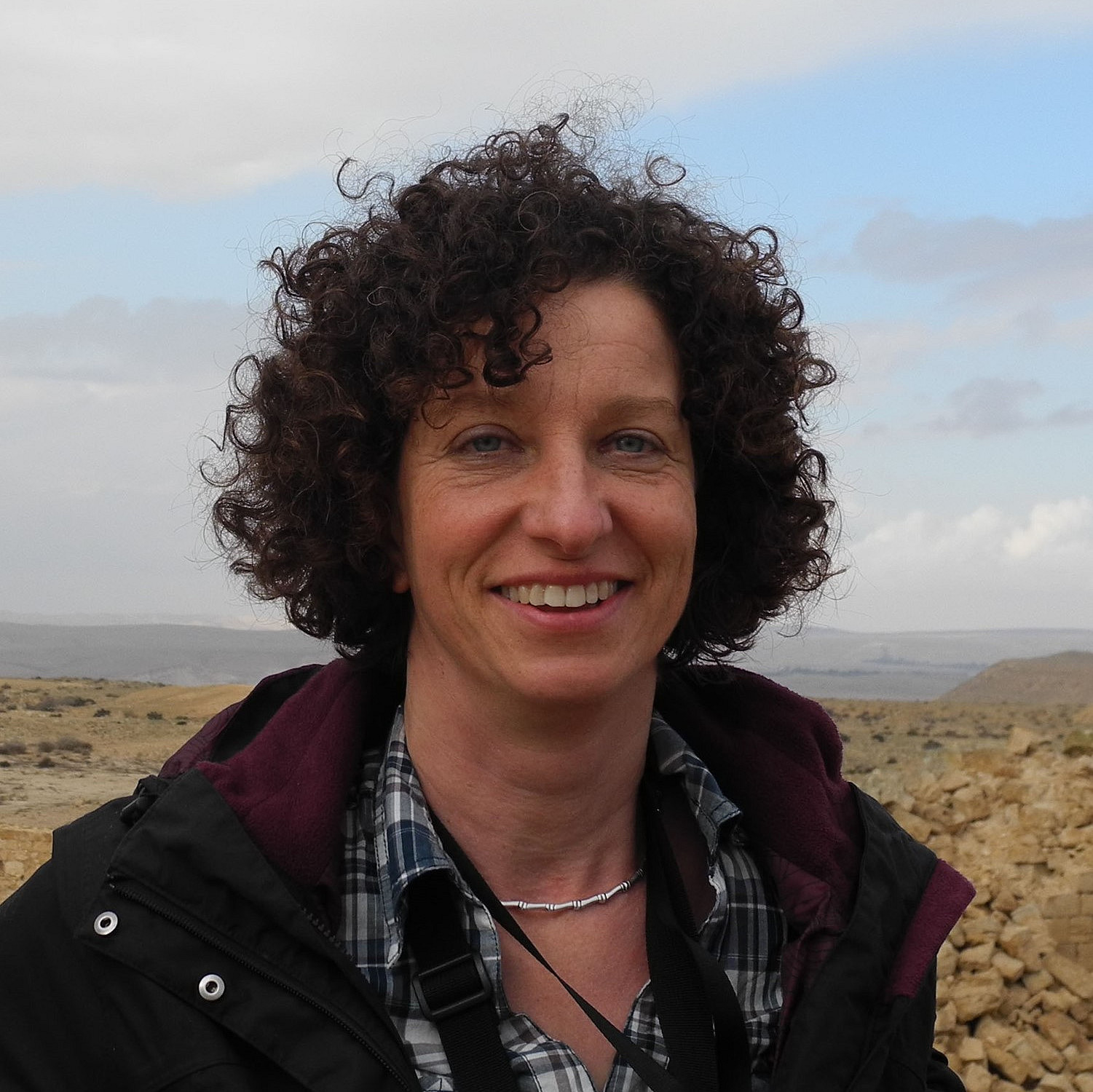
Univ.-Prof. Dr. Bettina Weber
+43 316 380 - 5694
Institut für Biologie
https://biologie.uni-graz.at/de/ag-funktionelle-diversitaet-oekologie/
Generelle Informationen
Addresse Fachbereich Biologie
Universität Graz
Holteigasse 6
8010 Graz, Österreich
E-mail Bettina.weber(at)uni-graz.at
Website https://diversitaet-oekologie.uni-graz.at/en/diversity-and-ecology/
Ausbildung
2013 (re-)Habilitation, Universität Mainz, Deutschland
2011 Habilitation in Plant Ecology, Universität Kaiserslautern, Deutschland
2004 MAS (Master of Advanced Studies) Geographical Information Science & Systems, Universität Salzburg, Österreich
2000 PhD in Biologie, Universität Kaiserslautern, Deutschland
1994 Diplom (Equivalent zu MSc) in Biologie, Universität Würzburg, Deutschland, und Universität Albany, NY, USA
Akademische Positionen
Seit 2024 Stellvertretender Leiterin des Instituts für Biologie, Universität Graz, Österreich
Seit 2019 Ordentliche Professorin für Botanik, Universität Graz, Österreich
2015-2019 Forschungsgruppenleiterin, Max-Planck-Institut für Chemie, Mainz, Deutschland
2013-2019 Fakultätsmitglied, Johannes Gutenberg-Universität Mainz, Deutschland
2013-2015 Forschungsleiterin, Max-Planck-Institut für Chemie, Mainz, Deutschland
2012-2013 Wissenschaftliche Mitarbeiterin, Universität Kaiserslautern, Deutschland
2008-2012 Forschungsgruppenleiterin, Universität Kaiserslautern, Deutschland
2000-2008 Postdoktorand (Teilzeit aufgrund von Kinderbetreuungspflichten), Universität Kaiserslautern, Deutschland
Beiträge zur Forschungsgemeinschaft
- Sprecherin des Exzellenzbereichs Klimawandel (https://climate-change.uni-graz.at/en/) der Universität Graz (seit 2023; 2021–2023: Co-Sprecher)
- Mitglied des wissenschaftlichen Lenkungsausschusses des Amazon Tall Tower Observatory-Projekts (www.attoproject.org) seit 2017
- Initiatorin und federführende Person bei der Umwandlung des Masterstudiengangs Biologie in eine innovative modulare Struktur (2020–2023) und Mitglied der Lehrplankommission seit 2023
Initiatorin der internationalen BIOCRUST-Workshop-Reihe, deren erster Workshop 2011 von ihr gemeinsam mit ihrem Betreuer Burkhard Büdel organisiert wurde und deren sechster für 2026 geplant ist
Wichtigste Publikationen (gesamte Publikationsliste hier)
Weber, B., Belnap, J., Büdel, B., Antoninka, A.J., Barger, N.N., Chaudhary, V.B., Darrouzet-Nardi, A., Eldridge, D.J., Faist, A.M., Ferrenberg, S., Havrilla, C.A., Huber-Sannwald, E., Malam Issa, O., Maestre, F.T., Reed, S.C., Rodriguez-Caballero, E., Tucker, C., Young, K.E., Zhang, Y., Zhao, Y., Zhou, X., Bowker, M.A. (2022) What is a biocrust? A refined, contemporary definition for a broadening research community. Biological Reviews. doi: 10.1111/brv.12862
Development of a refined, detailed biocrust definition, delimited to other types of microbial communities and widely supported by the scientific community (22 coauthors).
Rodriguez-Caballero, E., Stanelle, T., Egerer, S., Cheng, Y., Su, H., Canton, Y., Belnap, J., Andreae, M.O., Tegen, I., Reick, C., Pöschl, U., Weber, B. (2022) Global cycling and climate effects of aeolian dust controlled by biological soil crusts. Nature Geoscience. doi.org/10.1038/s41561-022-00942-1
First global modelling approach assessing the relevance of biological soil crusts in global dust cycling und current and future conditions.
Edtbauer, A., Pfannerstill, E.Y., Pires Florentino, A.P., Barbosa, C.G.G., Rodriguez-Caballero, E., Zannoni, N., Alves, R.P., Wolff, S., Tsokankunku, A., Aptroot, A., Sá, M.O., Araújo, A.C., Sörgel, M., Oliveira, S.M., Weber, B., Williams, J. (2021) Cryptogamic organisms are a substantial source and sink for volatile organic compounds in the Amazon region. Commun Earth Environ 2, 258. https://doi.org/10.1038/s43247-021-00328-y
First study assessing and quantifying VOC emission of tropical cryptogamic communities.
Maier, S., Kratz, A. M., Weber, J., Prass, M., Liu, F., Clark, A. T., Abed, R. M. M., Su, H., Cheng, Y., Eickhorst, T., Fiedler, S., Pöschl, U., Weber, B. (2021) Water-driven microbial nitrogen transformations in biological soil crusts causing atmospheric nitrous acid and nitric oxide emissions. ISME. https://doi.org/10.1038/s41396-021-01127-1
Detailled study investigating the microbial cycling processes driving nitrogen cycling and emission of reactive N compounds.
Löbs, N., Barbosa, C.G.C., Brill, S., Walter, D., Ditas, F., de Oliveira Sá, M., de Araújo, A.C., de Oliveira, L.R., Godoi, R.H.M., Wolff, S., Piepenbring, M., Kesselmeier, J., Artaxo, P., Andreae, M.O., Pöschl, U., Pöhlker, C., Weber, B. (2020) Aerosol measurement methods to quantify spore emissions from fungi and cryptogamic covers in the Amazon. Atmospheric Measurement Techniques 13: 153-164. https://doi.org/10.5194/amt-13-153-2020
Description of a novel method to investigate aerosol emission patterns of cryptogams under field and controlled lab conditions.
Rodriguez-Caballero, E., Belnap, J., Büdel, B., Crutzen, P. J., Andreae, M. O., Pöschl, U., & Weber, B. (2018). Dryland photoautotrophic soil surface communities endangered by global change. Nature Geoscience, 11(3), 185-189. https://doi.org/10.1038/s41561-018-0072-1
First map of current global biological soil crust distribution and first modelling approach on future biological soil crust distribution as a consequence of climate and land use change.
Maier, S., Tamm, A., Wu, D., Caesar, J., Grube, M., & Weber, B. (2018). Photoautotrophic organisms control microbial abundance, diversity, and physiology in different types of biological soil crusts. The ISME journal, 12(4), 1032-1046. https://doi.org/10.1038/s41396-018-0062-8
First study showing the characteristic composition of microbial communities in biological soil crusts as related to the different succession stages.
Weber, B., Belnap, J., & Büdel, B. (2016). Biological soil crusts: an organizing principle in drylands (pp. 3-13). Springer, Cham. https://doi.org/10.1007/978-3-319-30214-0
Encyclopaedia on the current status of biological soil crust research (946 citations; 88 000 chapters sold; as on March 11, 2025).
Weber, B., Berkemeier, T., Ruckteschler, N., Caesar, J., Heintz, H., Ritter, H., & Braß, H. (2016). Development and calibration of a novel sensor to quantify the water content of surface soils and biological soil crusts. Methods in Ecology and Evolution, 7(1), 14-22. https://doi.org/10.1111/2041-210X.12459
Development of instrument to measure and monitor the water content and activity patterns of biological soil crusts. The instrument is protected by a utility patent and build and traded by a company.
Weber, B., Wu, D., Tamm, A., …, Pöschl, U. (2015) Biological soil crusts accelerate the nitrogen cycle through large NO and HONO emissions in drylands. Proceedings of the National Academy of Sciences 112(50): 15384-15389. doi.org/10.1073/pnas.1515818112
Detection of the release patterns and mechanisms of reactive nitrogen compounds (HONO and NO) by biological soil crusts and characterization of their role in nitrogen cycling in drylands.
Elbert, W., Weber, B., Burrows, S., Steinkamp, J., Büdel, B., Andreae, M. O., & Pöschl, U. (2012). Contribution of cryptogamic covers to the global cycles of carbon and nitrogen. Nature Geoscience, 5(7), 459-462. https://doi.org/10.1038/ngeo1486
First study assessing the relevance of cryptogamic covers (biological soil crusts form one key community) in current and future global carbon and nitrogen fixation.
Sekretariat
Fachoberinspektorin Edith Weidner
Wissenschaftliche Mitarbeiter:innen
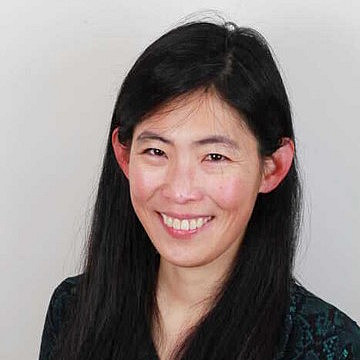
Dr. Minsu Kim
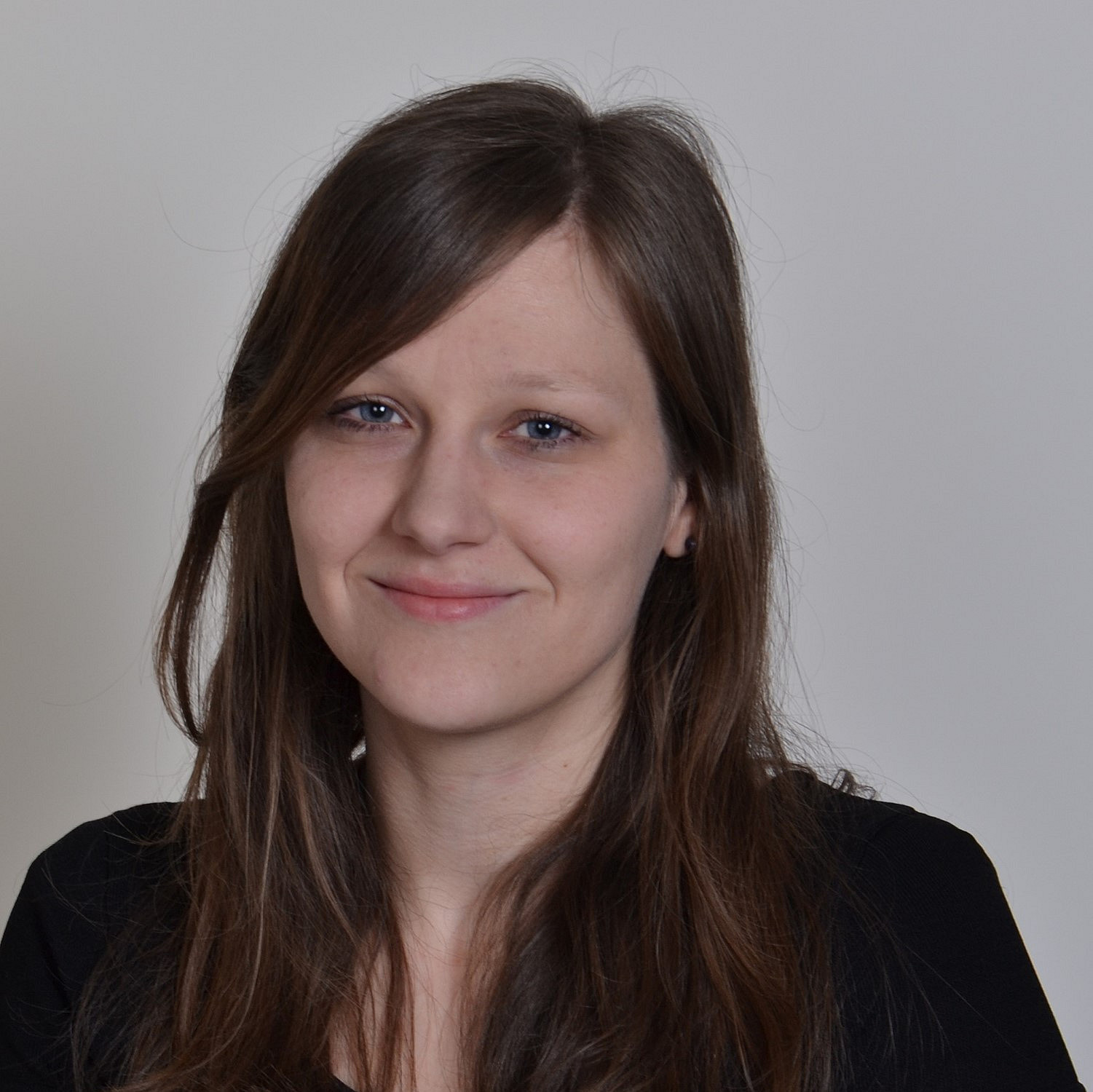
Dr.rer.nat. Bakk.rer.nat. MSc. Stefanie Maier

Dipl.-Ing. BSc Stefan Herdy
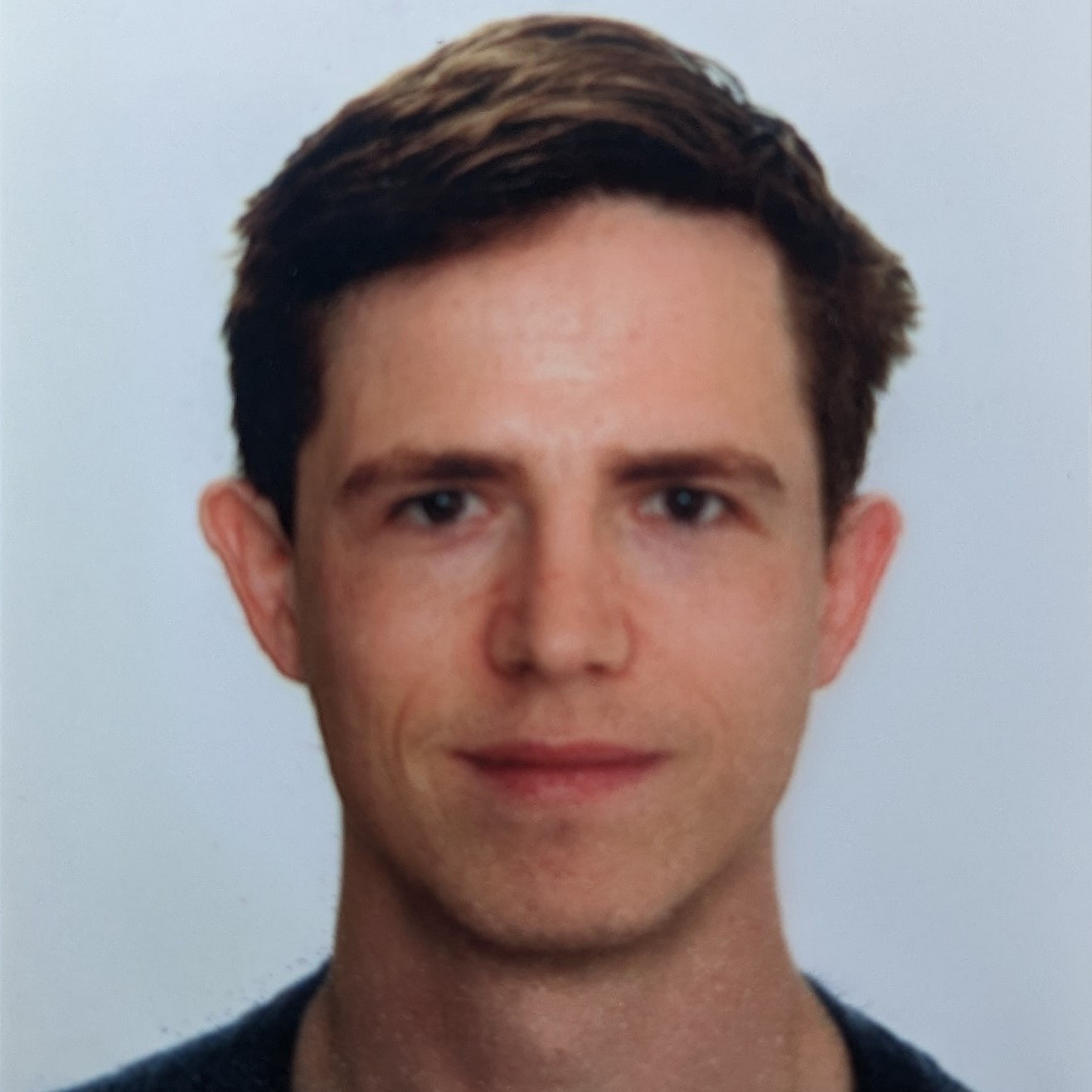
Dipl.-Ing. BSc Philipp Faulhammer
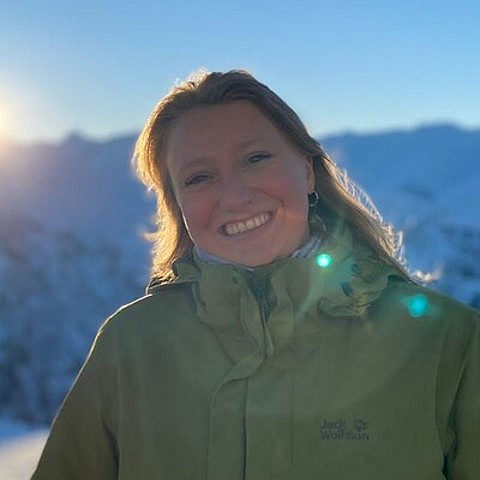
MSc Janne Creve

PhD Lina Avila Clasen
Institut für Biologie
Room 0032-001-0024
https://www.researchgate.net/profile/Lina-Avila-Clasen?ev=hdr_xprf
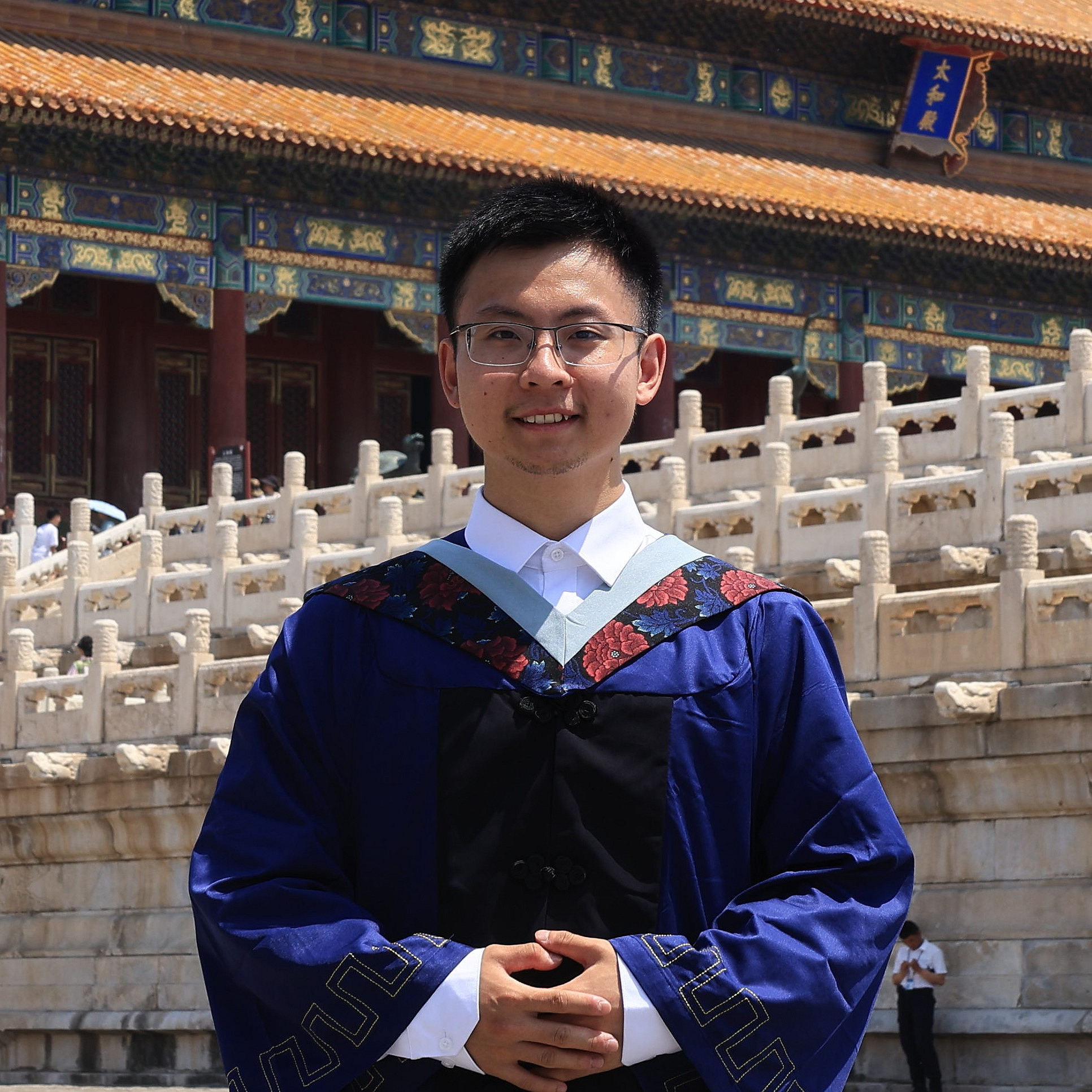
MSc Ruilin Chen

Dr.rer.nat. Luciano de Melo Silva
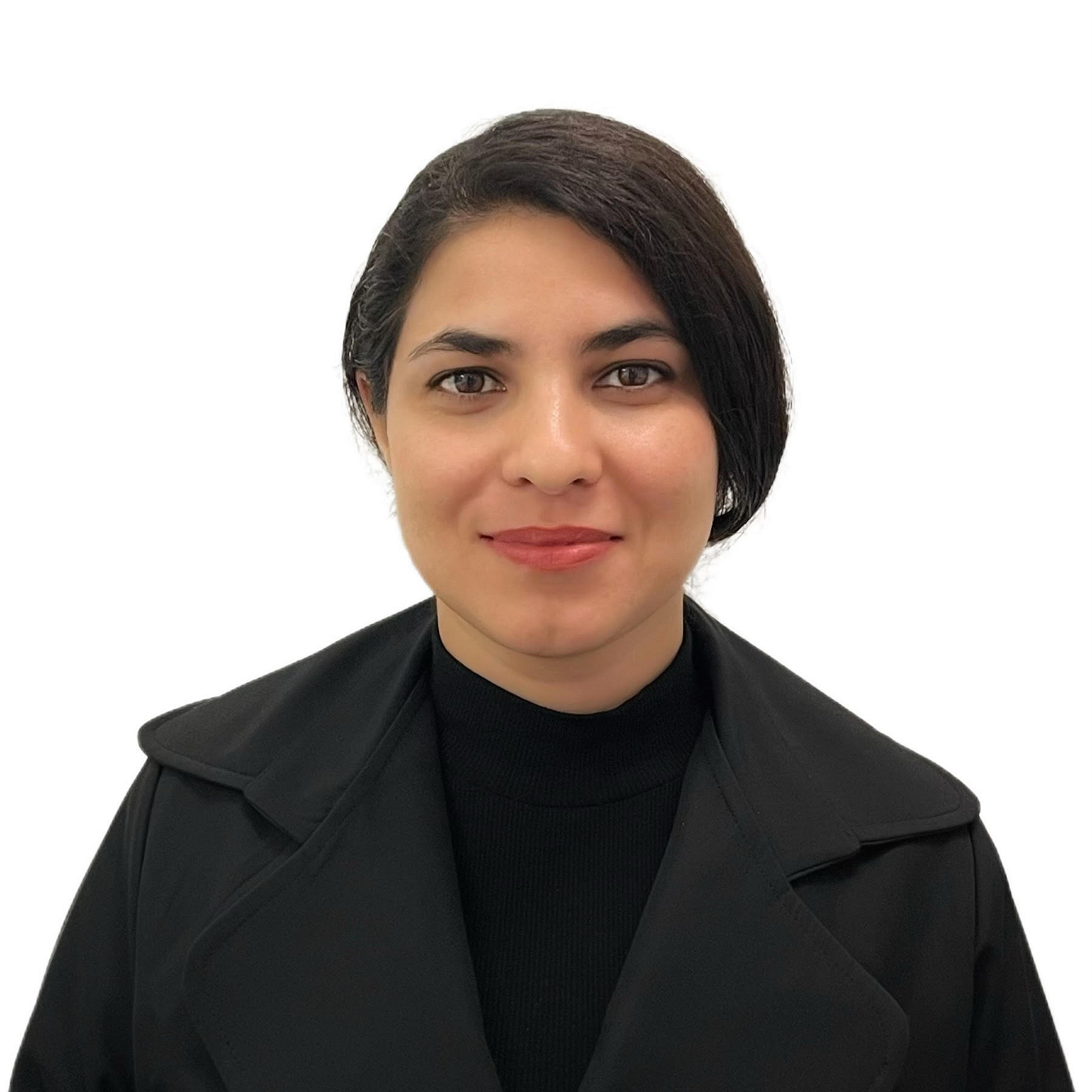
Asma Fathinejadposhkoohi
Technische Mitarbeiter:innen
Bettina Häusl

MSc Hanna Bauer
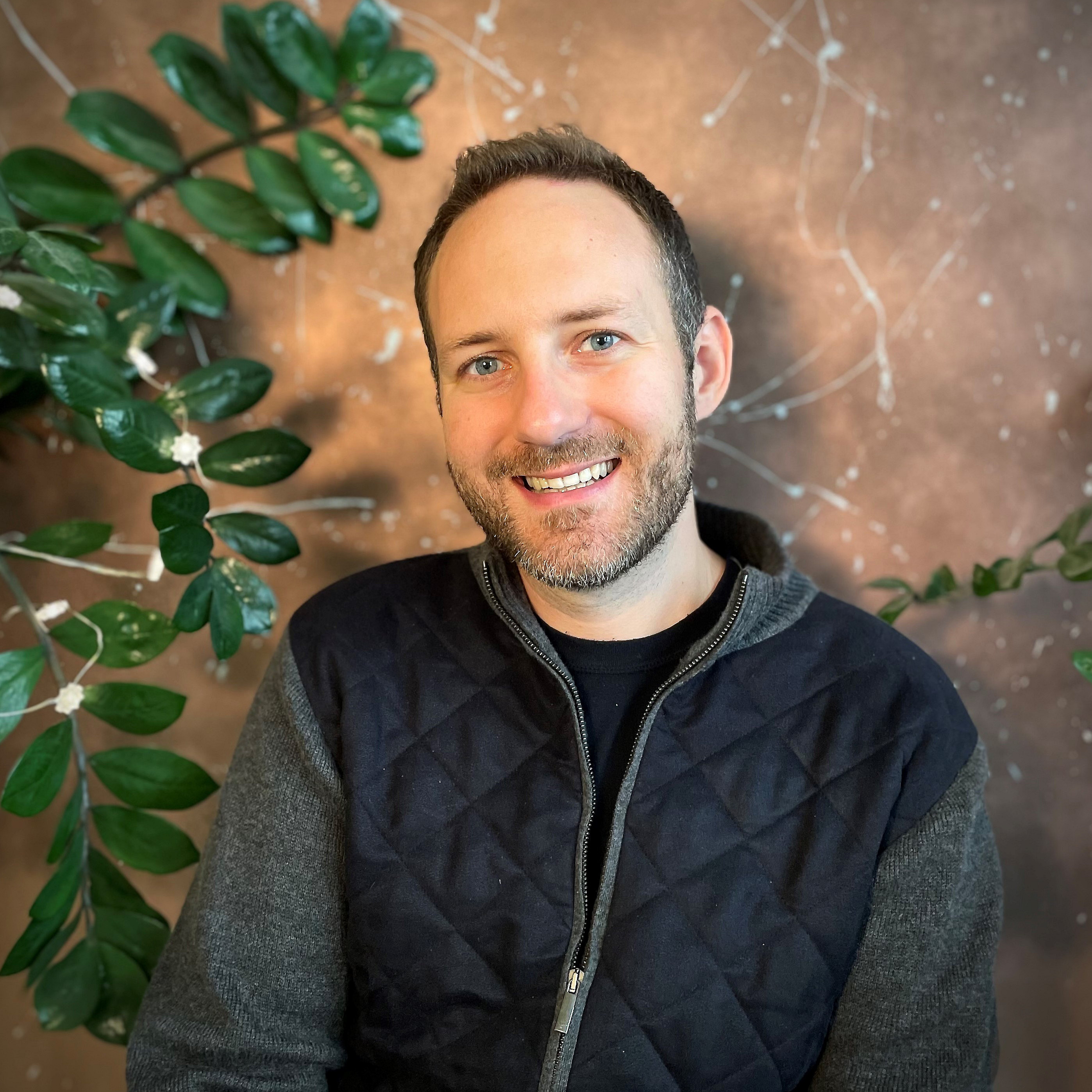
Patrick Hofer
Laboranten
| +43 316 380 - 5644 Institut für Biologie |
Peter Kosnik | +43 316 380 - 5755 Institut für Biologie |
Alumni
Monika Frankowska

BSc Michael Haag

DEng Cybelli Barbosa